
Return To Blog
Why Do My Circuit Breakers Keep Tripping? Common Causes and Solutions
You plug in the coffee maker and suddenly the kitchen goes dark. You start the hair dryer and lose power in the bathroom. Or maybe there's one breaker in your electrical panel that seems to trip for no obvious reason.
Sound familiar?
A circuit breaker that trips occasionally isn't necessarily a cause for concern. In fact, your circuit breaker is doing exactly what it was designed to do: shutting off electricity when it detects conditions that could be unsafe.
But if the same circuit breaker keeps tripping, it's telling you something.
Repeated breaker trips can indicate an overloaded circuit, faulty appliance, short circuit, ground fault, damaged wiring, or another problem with your home's electrical system.
Here's how to understand what may be happening—and when it's time to call an electrician.

What Does a Circuit Breaker Do?
Circuit breakers are an important part of your home's electrical safety system.
Electricity enters your home through the electrical service and is distributed through your electrical panel to individual circuits throughout the house. Each circuit breaker is designed to protect a particular circuit from unsafe electrical conditions.
When a breaker detects a problem, it automatically shuts off power to that circuit.
In other words, a tripped breaker isn't usually the problem itself. It's often a warning that the breaker is protecting you from another problem.
That's why repeatedly resetting a breaker without determining why it's tripping isn't a good long-term solution.
6 Common Reasons Your Circuit Breaker Keeps Tripping
There are several possible causes, but these are among the most common.
1. The Circuit Is Overloaded
An overloaded circuit is one of the most common reasons a breaker trips.
Every electrical circuit is designed to handle a certain amount of electrical current. If too many devices draw power from the same circuit simultaneously, the demand can exceed what the circuit is designed to safely handle.
The breaker trips to prevent the wiring from overheating.
Common examples include:
- Running a microwave and another high-powered kitchen appliance simultaneously
- Using multiple space heaters on one circuit
- Plugging several appliances into the same power strip
- Running a hair dryer and other bathroom appliances at once
- Adding new electronics to an already heavily used circuit
What can you do?
Unplug some devices from the affected circuit and reset the breaker.
If the breaker stays on, an overloaded circuit may have been the problem.
However, if you're constantly rearranging appliances or relying heavily on power strips to avoid tripping breakers, your home's electrical system may need additional circuits.
2. There's a Short Circuit
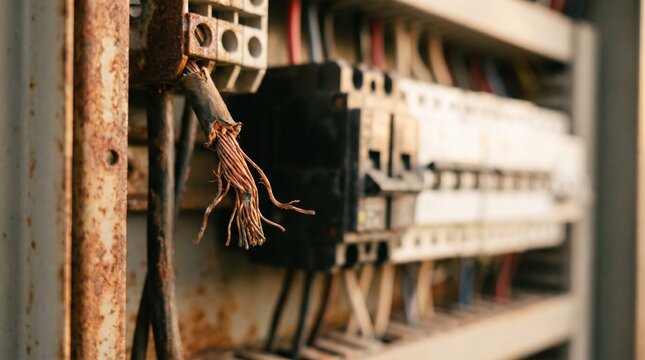
A short circuit occurs when electrical current travels along an unintended path with very little resistance.
This can cause a sudden increase in electrical current, prompting the breaker to trip immediately.
Possible causes include:
- Damaged wiring
- Loose electrical connections
- Damaged appliance cords
- Faulty outlets
- Problems inside an electrical device
A short circuit can potentially generate significant heat, so it shouldn't be ignored.
If a breaker immediately trips again after being reset, don't continue resetting it repeatedly.
Turn off or unplug devices connected to that circuit and contact a licensed electrician if the problem continues.
3. There's a Ground Fault
A ground fault occurs when electricity takes an unintended path to ground.
Ground faults are particularly concerning in areas where electricity and water may be close together, including:
- Bathrooms
- Kitchens
- Garages
- Laundry rooms
- Outdoor areas
- Pool areas
That's one reason GFCI (Ground-Fault Circuit Interrupter) protection is commonly used in these locations.
If you're experiencing repeated electrical trips in an area exposed to moisture, the problem should be investigated.
4. One of Your Appliances Is Causing the Problem
Sometimes your electrical system isn't the problem at all.
A malfunctioning appliance can cause a breaker to trip whenever it's plugged in or turned on.
Common culprits can include:
- Refrigerators
- Microwaves
- Dishwashers
- Washing machines
- Dryers
- Space heaters
- Window air conditioners
- Hair dryers
- Toasters
- Other high-demand appliances
Pay attention to when the breaker trips.
Does it happen every time you turn on the same appliance?
If so, unplug that appliance and see whether the problem stops.
Don't continue using an appliance if you suspect it has an electrical fault.
5. Your Breaker May Be Worn Out
Circuit breakers don't last forever.
Over time, breakers can wear out or become less reliable, particularly in an older electrical panel.
Signs of a potentially failing breaker can include:
- Frequent unexplained trips
- A breaker that won't stay reset
- A breaker that feels unusually warm
- Visible discoloration
- A burning smell near the electrical panel
A licensed electrician can test the circuit and breaker to determine whether the breaker itself needs to be replaced or another electrical problem is causing it to trip.
6. Your Electrical Panel May Be Outdated
Sometimes repeated breaker trips are part of a larger issue.
Older homes weren't designed around today's electrical demands.
Think about how much electricity a modern household uses:
- Multiple televisions
- Computers
- Gaming systems
- HVAC equipment
- Large kitchen appliances
- Hair dryers
- Smart home devices
- Home offices
- Pool equipment
- Hot tubs
- Electric vehicles
A home built several decades ago may have an electrical system that was designed for a very different lifestyle.
If your electrical panel is aging, undersized, or has little room for additional circuits, an electrician may recommend an electrical panel or service upgrade.
Why Does My Breaker Trip When I Use a Specific Appliance?
This is an especially useful clue.
If your breaker consistently trips when you turn on a particular appliance, there are generally two possibilities:
The appliance itself has an electrical problem, or the circuit cannot safely handle the electrical demand.
High-powered appliances often require dedicated circuits so they don't compete with other electrical devices.
Examples may include:
- Electric ranges
- Dryers
- Dishwashers
- HVAC equipment
- Water heaters
- Certain refrigerators and freezers
- EV chargers
- Pool equipment
An electrician can determine whether the appliance needs a dedicated circuit or whether another problem is causing the breaker to trip.
Why Does My Breaker Keep Tripping With Nothing Plugged In?
This situation deserves professional attention.
If a breaker continues to trip even after you've unplugged everything you believe is connected to the circuit, there could be a problem with:
- Wiring inside the walls
- An outlet or switch
- A permanently connected electrical device
- The circuit breaker
- Another component of the electrical system
Because these issues aren't always visible, electrical troubleshooting may be necessary to locate the cause.
Is It Safe to Keep Resetting a Tripped Circuit Breaker?
If you know that you simply overloaded a circuit—for example, you ran two high-powered appliances simultaneously—you can turn off or unplug the appliances and reset the breaker.
But a breaker that repeatedly trips should not simply be reset over and over again.
The breaker is shutting off electricity for a reason.
Continuing to reset it without addressing the underlying problem could allow an unsafe electrical condition to continue.
If the breaker trips again immediately or continues tripping without an obvious cause, leave it off and have the circuit inspected by a qualified electrician.
When Should I Call an Electrician for a Tripping Breaker?
Some electrical problems require immediate professional attention.
Contact an electrician if:
- The same breaker trips repeatedly
- The breaker won't reset
- The breaker immediately trips after resetting
- You smell something burning
- Your electrical panel feels unusually warm
- You see scorch marks or discoloration
- You hear buzzing or crackling
- Lights flicker throughout your home
- Outlets or switches feel warm
- The breaker trips even when appliances are unplugged
- You're unsure what's causing the problem
If you see smoke, sparking, or signs of an active electrical fire, treat it as an emergency and follow appropriate emergency procedures rather than attempting to troubleshoot the electrical system yourself.
Could You Need an Electrical Panel Upgrade?
Frequent breaker trips don't automatically mean you need a new electrical panel.
However, if your panel is older and your household's electrical demands have significantly increased, an upgrade may be worth considering.
You may especially want an electrical evaluation if you're planning to add:
- An EV charger
- A hot tub
- A swimming pool
- A home addition
- A major kitchen renovation
- New HVAC equipment
- High-demand appliances
- A workshop
An electrician can perform a load calculation to determine whether your current electrical service has sufficient capacity.
Don't Ignore What Your Circuit Breaker Is Telling You
A tripped breaker can be annoying, but it's also an important safety feature.
If your circuit breaker keeps tripping, the best solution isn't finding a way to stop the breaker from doing its job. It's determining why it's tripping in the first place.
Sometimes the answer is as simple as moving an appliance to another circuit. Other times, repeated trips can reveal faulty wiring, a failing breaker, an overloaded electrical system, or another issue that needs professional attention.
Electrical Troubleshooting in Savannah, GA
Rushing Electric has provided residential electrical services to homeowners throughout Savannah and Coastal Georgia since 1972.
Our experienced electricians can troubleshoot electrical problems and determine what's causing repeated circuit breaker trips. If repairs, a dedicated circuit, breaker replacement, or an electrical panel upgrade are needed, we'll explain your options and recommend an appropriate solution for your home.
Circuit breaker keeps tripping? Don't just keep resetting it. Get Rushing.
Contact Rushing Electric today to schedule residential electrical service in Savannah or the surrounding Coastal Georgia area.
Frequently Asked Questions
Why does my breaker keep tripping?
The most common causes include an overloaded circuit, short circuit, ground fault, faulty appliance, damaged wiring, or a problem with the breaker itself. Repeated trips should be investigated to determine the underlying cause.
How do I know if a circuit is overloaded?
A breaker that trips when several appliances or devices operate simultaneously may indicate an overloaded circuit. Unplugging some devices may temporarily solve the problem, but recurring overloads can indicate that additional circuits are needed.
Why does my breaker trip immediately when I reset it?
An immediate trip may indicate a short circuit, ground fault, faulty appliance, wiring problem, or another electrical fault. Don't repeatedly reset the breaker if it continues to trip immediately.
Can a bad circuit breaker cause repeated tripping?
Yes. Circuit breakers can wear out or fail over time. However, it's important to have the circuit evaluated before assuming the breaker is the problem because repeated trips can also indicate an issue elsewhere in the electrical system.
Should I replace a breaker that keeps tripping with a larger one?
No. A larger breaker should never be installed simply to prevent a circuit from tripping. Breakers are sized to protect the wiring and electrical circuit. Changing the breaker size without determining whether the wiring and circuit can safely support it can create a serious safety hazard.
When should I call an electrician about a tripping breaker?
Call an electrician when a breaker repeatedly trips, won't reset, trips with no obvious load, or is accompanied by burning smells, unusual heat, buzzing, discoloration, flickering lights, or other signs of an electrical problem.